
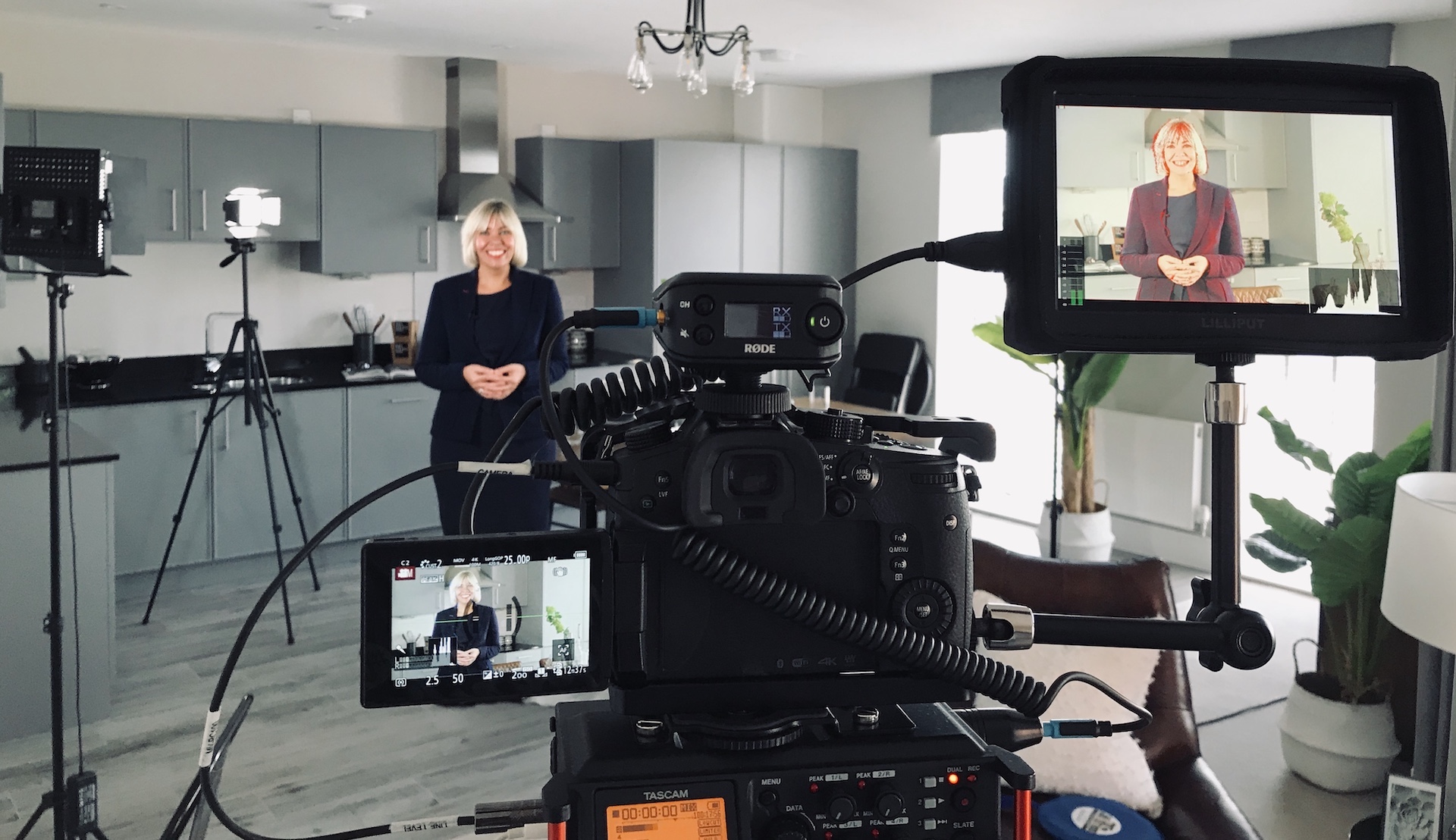
Introduction to Filming a Talking Head
Filming a talking head might seem straightforward—after all, it’s just someone speaking to the camera—but creating a professional-looking video requires attention to multiple factors. From framing and lighting to sound and background, every element can impact the final product. Whether you’re creating content for YouTube, corporate videos, or social media, mastering talking head videos can dramatically improve engagement and professionalism.
For businesses or individuals in Milton Keynes and the surrounding area, investing in quality video production Milton Keynes can make a significant difference. While you can film a talking head yourself, understanding the fundamentals ensures your content looks polished, credible, and visually appealing. Find out more about our video production on our homepage.
Choosing the Right Camera
Your choice of camera plays a crucial role in producing a high-quality talking head video. While smartphones today can capture impressive footage, professional cameras provide more control over depth of field, color balance, and overall image quality.
If you’re working with a DSLR or mirrorless camera, consider a model that allows interchangeable lenses. A prime lens, typically 35mm or 50mm, creates a pleasing shallow depth of field, blurring the background and drawing focus to the speaker. For those using webcams or smartphones, make sure the camera is positioned at eye level and capable of shooting at least 1080p for crisp video quality.
Camera Placement and Framing
Framing is essential in talking head videos. The subject should be positioned using the rule of thirds, slightly off-center, with the eyes approximately one-third down from the top of the frame. This creates a visually balanced composition. Avoid centering the subject too rigidly, as it can feel static and less engaging.
Distance from the camera is equally important. Typically, the head and shoulders should fill the frame without cutting off parts of the head or leaving too much empty space above. Proper framing ensures viewers focus on the speaker’s expressions and message rather than distracting elements in the background.
Lighting for Talking Head Videos
Lighting can make or break a talking head video. The goal is to illuminate the speaker evenly while avoiding harsh shadows or overly bright spots. Natural light can work well, but it’s often inconsistent, so many creators prefer artificial lighting setups.
A three-point lighting setup is a common approach. This includes a key light, a fill light, and a backlight. The key light is the primary source of illumination, positioned at a 45-degree angle to the subject. The fill light softens shadows on the opposite side, and the backlight separates the subject from the background, adding depth.
If you’re filming in a small space or on a budget, a simple LED panel or ring light can also produce excellent results. Just ensure the light is diffused to avoid harsh shadows on the subject’s face.
Background and Set Design
The background of a talking head video should complement the speaker without distracting the viewer. A plain wall, a tidy office, or a softly blurred background often works best. Avoid cluttered spaces or moving objects behind the speaker, as they can divert attention.
For those working in corporate or marketing contexts, consider branding elements subtly placed in the frame, such as a logo or product. However, these should not overpower the scene. Video production Milton Keynes companies often advise keeping backgrounds simple while ensuring colors and elements enhance the overall visual aesthetic.
Audio Considerations
Audio quality is often more important than visual quality in talking head videos. Even if the video looks professional, poor audio can immediately disengage viewers. Using a dedicated microphone, such as a lavalier or shotgun mic, can drastically improve sound clarity.
Position the microphone close to the speaker but out of frame. Lavalier microphones clipped to the subject’s clothing work well for mobility, while shotgun microphones mounted above or in front provide crisp audio without cluttering the scene. Avoid relying solely on built-in camera microphones, as they often pick up ambient noise and lack clarity.
Reducing Ambient Noise
Filming in a quiet environment is crucial. Close windows to limit outside noise, turn off fans or air conditioning units, and be aware of nearby distractions like traffic or conversations. Soundproofing small rooms with blankets or foam panels can improve audio quality significantly, even on a tight budget.
Directing the Subject
Even experienced speakers benefit from direction during filming. Encourage the subject to maintain good posture and engage naturally with the camera, as if speaking to a person rather than a lens. Small gestures and facial expressions help convey enthusiasm and authenticity.
For longer videos, filming in segments allows the subject to pause, reset, and maintain energy throughout the recording. Multiple takes also provide options during editing, ensuring the final cut is smooth and natural.
Eye Line and Engagement
Where the subject looks on camera affects viewer engagement. Ideally, the eyes should align with the camera lens, creating the impression that the speaker is directly addressing the audience. If using a script, place it near the camera lens so the speaker can read lines without breaking eye contact. Teleprompters are particularly useful for corporate or professional videos, helping maintain fluidity while keeping engagement high.
Camera Movement and Angles
Most talking head videos benefit from minimal camera movement, focusing on a stable, consistent shot. Tripods are essential for eliminating shake and keeping the frame steady. However, subtle camera movements like a slight push-in or pull-out can add cinematic interest if used sparingly.
Consider experimenting with angles. Shooting slightly above the subject’s eye level can be flattering, while extreme angles can be distracting. Video production Milton Keynes professionals often emphasize consistency in framing and angles to maintain visual cohesion throughout a series of videos.
Wardrobe and Styling
Wardrobe choices impact the overall look of a talking head video. Solid colors typically work best, avoiding overly busy patterns or clothing that blends with the background. Subtle textures add visual interest without causing distractions.
Pay attention to makeup, hair, and reflections if the subject wears glasses. Matte finishes reduce glare under studio lights, while minor touch-ups on skin tone can prevent the subject from appearing washed out.
Filming Multiple Takes
Even with careful preparation, multiple takes are often necessary. Encourage the speaker to vary tone, pace, and expression across takes to capture the most engaging delivery. Reviewing footage between takes helps identify small adjustments in posture, eye line, or emphasis.
For longer videos, consider breaking the content into chapters or segments. This allows easier editing, smoother transitions, and more flexibility for repurposing content across platforms.
Editing Talking Head Videos
Editing is where your talking head video comes together. Begin by cutting out mistakes, awkward pauses, and filler words to maintain a polished and professional flow. Adjusting color balance, brightness, and contrast ensures a consistent visual tone across the video.
Sound editing is equally important. Normalize audio levels, reduce background noise, and consider subtle background music to enhance the mood without overpowering the speaker. Video production Milton Keynes experts often stress the importance of pacing, ensuring the final video feels natural and keeps the audience engaged from start to finish.
Adding Graphics and Text
Graphics, lower-thirds, and text overlays can enhance understanding and retention. Displaying key points, names, or titles helps viewers follow the content more easily. Keep graphics minimalistic and aligned with your brand’s visual identity to maintain a professional look. Avoid excessive animations that might distract from the speaker.
Lighting and Color Correction in Post-Production
Even with careful lighting during filming, minor adjustments in post-production can enhance the final output. Color correction ensures consistent skin tones and balances exposure across different shots. Correcting white balance and contrast can make a video look more polished and cinematic, further emphasizing the subject in the frame.
Optimizing for Online Platforms
Once editing is complete, consider how the video will be delivered. Different platforms have varying requirements for resolution, aspect ratio, and file size. For YouTube, 16:9 aspect ratio at 1080p or higher works best. Social media platforms like Instagram or TikTok may require vertical or square formats. Exporting multiple versions ensures the content looks professional regardless of where it’s viewed.
For businesses, working with a video production Milton Keynes company can help streamline this process. Professionals can advise on platform specifications, file formats, and compression techniques without compromising quality.
Conclusion
Creating an effective talking head video requires more than just pointing a camera at someone. From camera selection, framing, and lighting to audio, wardrobe, and editing, every detail contributes to the final impression. Even small adjustments, such as eye line, background, or microphone placement, can significantly enhance viewer engagement and professionalism.
For businesses or content creators in Milton Keynes, investing in quality video production Milton Keynes can save time and deliver results that stand out. By understanding the fundamentals and applying best practices, you can produce talking head videos that are visually appealing, clear, and engaging. Whether creating training content, marketing videos, or personal vlogs, these techniques ensure your audience stays focused on your message.
With careful planning, attention to detail, and the right tools, anyone can elevate their talking head videos from simple recordings to polished, professional productions. Mastering these techniques opens the door to higher engagement, improved brand perception, and a more compelling connection with your audience.